Your contact center generates thousands of conversations packed with valuable information every day – why customers are calling, what frustrates them, which products they love, and where your agents excel or struggle. However, most of that intelligence disappears the moment a call ends.
Speech analytics changes that. It turns conversations into searchable, analyzable data, giving contact center leaders insights that were previously impossible to capture at scale. The shift is already underway, with the global contact center analytics market projected to reach $2.82 billion in 2026 as businesses move to act on the data inside their customer calls.1
Read on to learn what speech analytics is, how it works, and how to use it to transform your operations.
TL;DR
- Contact center speech analytics uses AI and natural language processing to automatically analyze 100% of customer calls, transcribing conversations and surfacing keywords, sentiment, and trends that manual call reviews miss.
- Traditional quality monitoring spot-checks only 1-2% of calls, so analyzing every conversation catches compliance gaps, coaching opportunities, and at-risk customers that sampling misses.
- Adoption is accelerating as the global contact center analytics market is projected to reach $2.82 billion in 2026, shifting speech analytics from a premium add-on to an essential capability.
What Is Contact Center Speech Analytics?
Contact center speech analytics is a technology that uses AI and natural language processing to analyze voice conversations between agents and customers. Speech analytics automatically processes 100% of recorded interactions, rather than relying on supervisors to manually review a small sample of calls.
These tools can:
- Transcribe spoken conversations into text
- Identify keywords and phrases
- Detect emotion and sentiment
- Surface patterns across thousands of calls
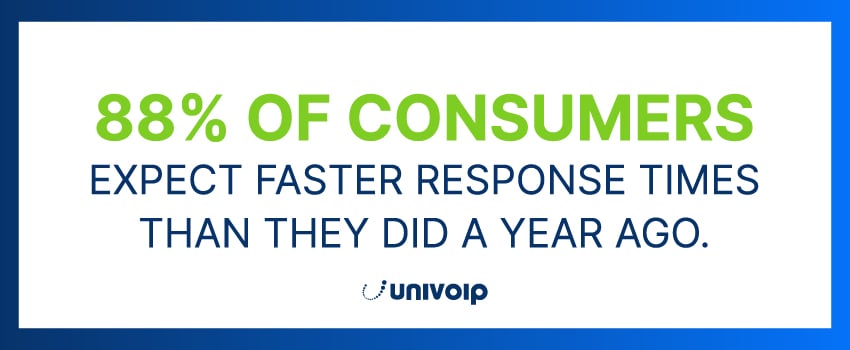
Where call quality monitoring once meant spot-checking a handful of calls per agent per month, speech analytics enables full-coverage insight: every call, every agent, every customer interaction – analyzed and ready for review. That kind of full-coverage visibility matters more than ever as customer expectations rise, with 88% of consumers now expecting faster response times than they did a year ago.²
At UniVoIP, our Contact Center platform includes powerful speech analytics capabilities designed to help businesses get more from every customer interaction.
What Does Speech Analytics Do?
The practical functions of speech analytics go far beyond extracting meaning from spoken conversations. Here’s what the right platform can do for your contact center:
Transcribe Calls Automatically
Every call is converted into searchable text, allowing supervisors and analysts to quickly locate specific conversations, keywords, or topics across thousands of interactions.
Detect Sentiment and Emotion
Advanced systems analyze tone, pacing, and word choice to determine how customers and agents feel during a call – identifying frustration, satisfaction, confusion, or enthusiasm in real time or after the fact.
Identify Trends and Patterns
Speech analytics analyzes data across thousands of calls to surface themes – common complaints, frequently mentioned competitors, popular products, or specific objections that come up repeatedly in conversations.
Measure Agent Performance Objectively
Rather than relying on subjective evaluations, supervisors get data-driven insights into agent behaviors: talk-to-listen ratios, script adherence, empathy markers, and resolution effectiveness.
Flag Compliance Issues
For regulated industries, speech analytics can automatically detect when agents fail to read required disclosures, use prohibited language, or deviate from approved scripts – reducing compliance risk and supporting audits.
How Speech Analytics Contact Center Tools Work
Modern speech analytics contact center platforms combine several technologies to deliver insights at scale.
- Calls are recorded and fed into a speech-to-text engine that transcribes the audio with high accuracy.
- Natural language processing then parses the text to identify topics, keywords, intent, and sentiment.
- Machine learning models refine accuracy over time, learning industry-specific terminology, accents, and conversation patterns unique to your business.
- Many platforms also integrate with CRM, ticketing, and quality management systems, enriching call data with customer context, agent history, and outcome information.
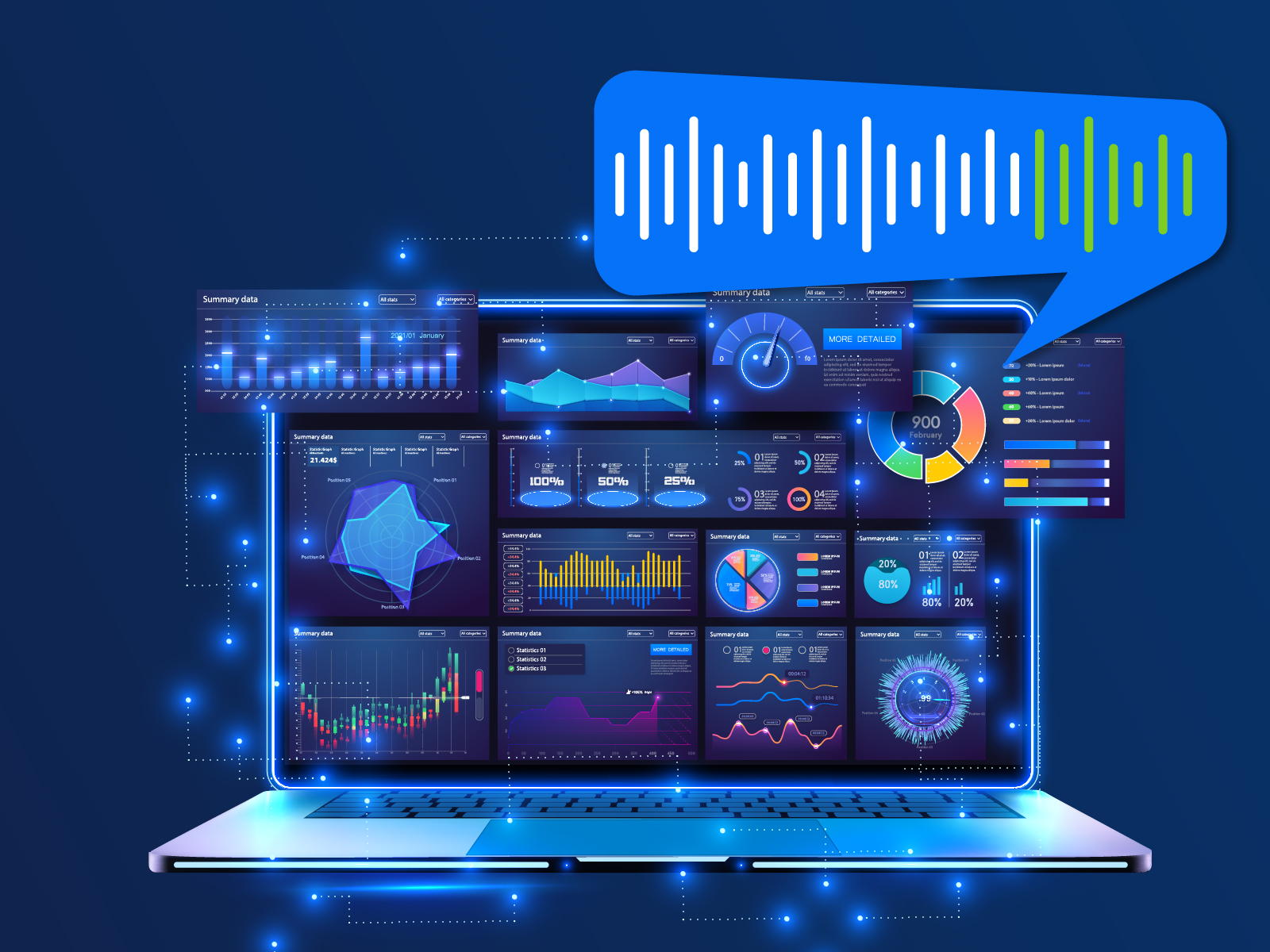
- The results feed into dashboards and reports that supervisors, analysts, and executives can use to monitor performance, investigate issues, and identify opportunities.
UniVoIP’s Contact Center platform is built to deliver this kind of unified insight, turning your raw call data into actionable intelligence without requiring data science expertise.
What Are the Benefits of Speech Analytics?
The benefits of speech analytics extend across nearly every contact center function. Here are the most significant gains organizations realize:
100% Call Coverage Instead of Spot Checks
Traditional quality monitoring covers maybe 1-2% of calls. Speech analytics analyzes every conversation, ensuring that no critical issue, compliance gap, or coaching opportunity goes undetected.
Faster Issue Detection
When customers start raising new concerns – a product defect, a confusing policy change, a competitive offering – speech analytics can identify the trend quickly so your business can respond before problems escalate.
Improved Compliance and Risk Management
Speech analytics automatically detects required disclosures, prohibited language, and script deviations, which helps your teams reduce compliance risk and prepare for audits faster.
Data-Driven Coaching
Since managers can deliver targeted, specific coaching backed by actual call data rather than gut feel, agents get the insights they need to understand exactly what to improve.
Better Customer Insights
Speech analytics reveals what customers actually say – their language, concerns, and motivations – giving marketing, product, and operations teams insights that surveys and focus groups can't match.
Operational Efficiency
By identifying root causes of long calls, repeat contacts, and escalations, speech analytics helps contact centers reduce handle times, improve first-call resolution, and optimize staffing.
4 Benefits of Speech Analytics for Customer Support
Speech analytics provides value across the contact center, but it has a huge impact on customer support operations. Here’s how:
1. Identify Friction Points in Your Customer Journey
Are customers consistently confused about a specific product feature or fustrated by a particular policy? Speech analytics reveals where your customer journey breaks down to give support leaders concrete data to fix systemic issues, not just individual cases.
2. Reduce Repeat Contacts
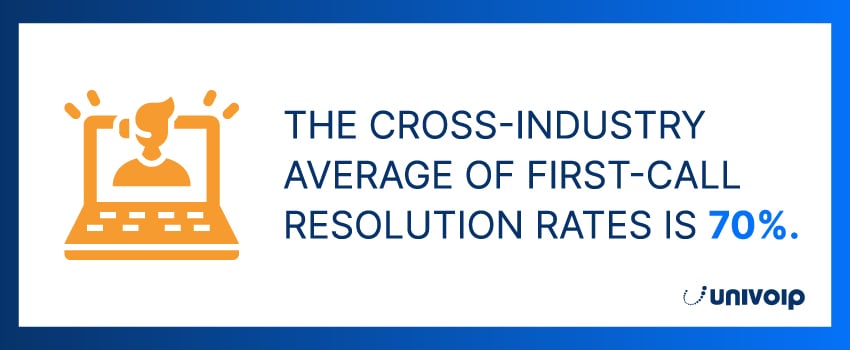
When customers have to call multiple times to resolve the same issue, satisfaction plummets, and costs rise. Speech analytics identifies the root causes of repeat contacts, enabling support teams to address the underlying problems and improve first-call resolution rates – which in 2026 sits at a cross-industry average of 70%.3
3. Spot At-Risk Customers Early
Sentiment analysis flags calls where customers express frustration, mention competitors, or threaten to cancel. This lets support leaders intervene proactively – escalating to a retention specialist, offering compensation, or following up personally – before losing that customer.
4. Improve Agent Communication
Speech analytics can analyze the language and tone of top-performing support agents to surface the communication patterns that lead to positive outcomes. You can then use those insights as the foundation for training programs that elevate the entire team.
What Is Speech Analytics Contact Center Implementation Like?
Implementing speech analytics is more straightforward than many businesses expect, especially with cloud-based platforms. The typical process involves connecting your call recording system to the speech analytics platform, configuring the categories and keywords most relevant to your business, and training the system on your industry's specific terminology.
You’ll often see value within weeks: basic transcription and search become available immediately, while more sophisticated insights like sentiment trends, predictive analytics, and agent benchmarking emerge as the system accumulates data and learns your business context.
At UniVoIP, we built speech analytics directly into the core of our OfficeConnect™ UCaaS platform and Contact Center solutions, eliminating the integration headaches that often slow implementation.
How To Use Contact Center Speech Analytics Effectively
Buying a speech analytics platform is only the first step. To realize the full value, contact centers need a clear strategy for how the insights will be used.
Ask Specific Business Questions
Don't try to analyze everything at once. Identify two or three high-impact questions – like why customers are calling or which agents need coaching – and configure the platform to answer them first.
Connect Insights to Action
Speech analytics can only provide value when you turn its insights into changes. Establish clear processes for routing your system’s findings to the right teams, such as coaching alerts to supervisors, compliance issues to QA, and product feedback to product managers.
Integrate With Your Other Systems
Speech analytics is far more powerful when combined with CRM, ticketing, and survey data. Your platform should be able to integrate seamlessly with your existing tools so insights can be enriched and acted on within familiar workflows.
Iterate and Refine
Your speech analytics setup should evolve with your business. As you uncover new patterns, add new keyword categories. As you address known issues, focus the platform on emerging ones. Continuous refinement keeps insights fresh and relevant.
Turn Conversations Into Competitive Advantage With UniVoIP
The contact centers winning on customer experience are no longer guessing at what happens on their calls, because speech analytics tells them. What was once a premium add-on has become an essential capability, converting unstructured conversations into intelligence that powers smarter coaching, faster issue resolution, stronger compliance, and a deeper understanding of what your customers want.
At UniVoIP, our Contact Center and OfficeConnect™ UCaaS solutions bring enterprise-grade speech analytics into a unified platform – built to scale with your business and deliver insights your team can actually act on.
Ready to unlock the intelligence hidden in your customer calls? Get started with UniVoIP today.
Contact Center Speech Analytics FAQs
What is contact center speech analytics?
Contact center speech analytics is AI and natural language processing technology that analyzes voice conversations between agents and customers. Instead of supervisors manually reviewing a small sample of calls, it automatically processes 100% of recorded interactions, transcribing them into text, identifying keywords, detecting sentiment, and surfacing patterns across thousands of calls. The result is full-coverage visibility into why customers call, how they feel, and where agents perform well or struggle, turning conversations that used to disappear after hangup into searchable, analyzable data.
How is speech analytics different from traditional call monitoring?
Traditional call monitoring relies on supervisors manually spot-checking a small sample of calls, usually only 1-2% of total volume. Speech analytics analyzes every conversation automatically, so no critical issue, compliance gap, or coaching opportunity slips through unnoticed. That shift from a handful of sampled calls to full coverage is the core difference. You get an objective, complete view of agent performance and customer sentiment rather than conclusions drawn from a tiny, potentially unrepresentative slice of interactions.
How does contact center speech analytics work?
Speech analytics works by feeding recorded calls into a speech-to-text engine that transcribes the audio with high accuracy. Natural language processing then parses the text to identify topics, keywords, intent, and sentiment, while machine learning models improve over time by learning your industry's terminology, accents, and conversation patterns. Many platforms also connect to CRM, ticketing, and quality management systems, enriching call data with customer context and outcomes. The findings feed dashboards and reports that supervisors, analysts, and executives use to monitor performance and spot opportunities.
Can speech analytics detect customer sentiment and emotion?
Yes. Speech analytics analyzes tone, pacing, and word choice to determine how customers and agents feel during a call, flagging frustration, satisfaction, confusion, or enthusiasm. Depending on the platform, this happens in real time during the conversation or after the call for later review. Because sentiment is tracked across every interaction rather than a sampled few, you can see emotional patterns at scale, such as which policies or products consistently trigger frustration, and act on them instead of guessing at how customers feel.
How does speech analytics help contact centers stay compliant?
Speech analytics automatically checks calls for compliance, detecting when agents fail to read required disclosures, use prohibited language, or deviate from approved scripts. For regulated industries, this reduces compliance risk and makes audit preparation faster, since every call is analyzed rather than a small sample. Potential violations get flagged for review as they surface, giving your QA and compliance teams a safety net that manual spot-checking cannot match across thousands of daily interactions.
Can speech analytics help reduce customer churn?
Yes. Sentiment analysis flags calls where customers express frustration, mention competitors, or threaten to cancel, so support leaders can step in before losing the relationship. That might mean escalating to a retention specialist, offering compensation, or following up personally. Because speech analytics reviews every call, at-risk customers get spotted early rather than after they have already left, turning warning signs buried in conversations into a chance to intervene proactively.
How long does it take to see results from speech analytics?
Often within weeks, especially with cloud-based platforms. Basic transcription and search become available almost immediately, while more sophisticated insights like sentiment trends, predictive analytics, and agent benchmarking emerge as the system accumulates data and learns your business context. Implementation is usually more straightforward than businesses expect: you connect your call recording system, configure the categories and keywords that matter most, and train the system on your industry's terminology. Value builds as the platform gathers more conversations to learn from.
Sources: